
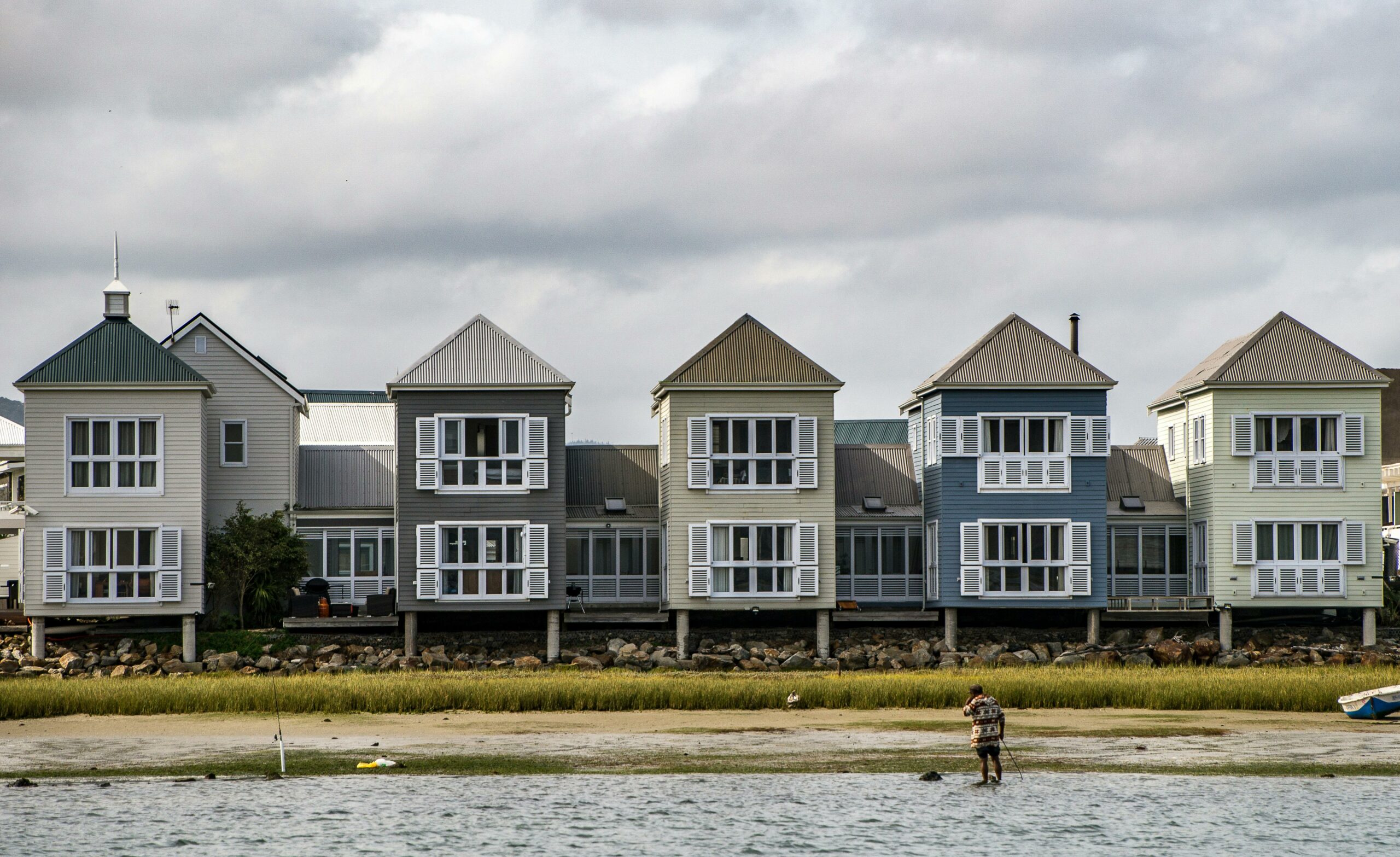
So you’re thinking about buying near the sea. Maybe you’ve been dreaming about it for years – that idea of waking up, opening the window, and smelling the salt air. Honestly ? It’s not just a fantasy. People do it. And a lot of them don’t regret it. But there are things you really need to know before you jump in, because coastal real estate has its own rules, and they’re not always obvious.
If you’re looking specifically along the northern French coast, the area between Calais and Boulogne has been getting a lot of attention lately. Prices are still reasonable compared to Normandy or Brittany, and the market is moving. A quick look at https://immobilier-calais-boulogne.com gives you a solid overview of what’s actually available in that stretch – useful before you start comparing.
Why Coastal Property Attracts So Many Buyers (And Why Some Get Burned)
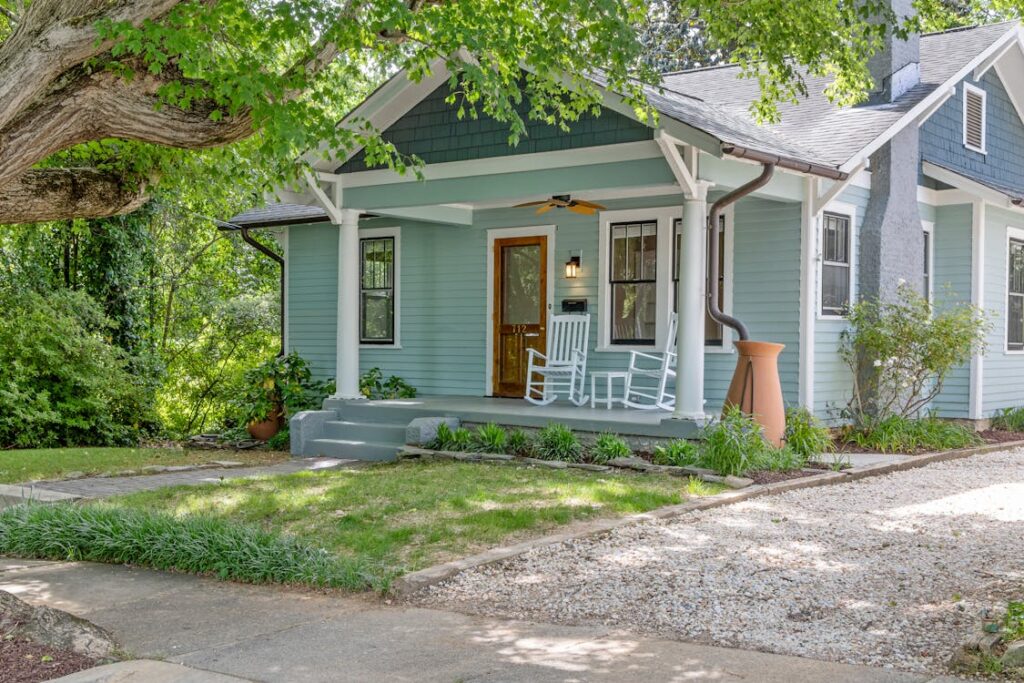 The appeal is obvious. Sea views, fresh air, a lifestyle that feels different from the city grind. But here’s the thing – buying near the coast isn’t like buying a flat in Lyon or a house in the suburbs of Paris. The market behaves differently. Demand is seasonal, sometimes chaotic. And the properties themselves come with specific constraints.
Humidity is a big one. Salt air is beautiful and corrosive at the same time. It eats at metal, damages facades, and can cause serious long-term maintenance costs if the building isn’t properly maintained. Before signing anything, get a full structural assessment – not just the basic diagnostics. Seriously.
Also : flood risk zones. A lot of coastal areas in France are listed in PPRi (Plan de Prévention du Risque inondation) zones, which can affect your insurance costs and even limit what you’re allowed to do with the property. Always check the local risk map.
What the Market Actually Looks Like Right Now
Prices along the Opal Coast – the stretch from Calais down past Boulogne – are still significantly lower than the Atlantic coast. You can find decent houses in the €150,000–€250,000 range depending on condition and exact location. That’s not nothing, but it’s a fraction of what you’d pay in La Baule or Arcachon.
The catch ? Some of these properties need work. Real work. Not just a coat of paint. The older fishermen’s houses can be charming but demanding. Renovation budgets can balloon fast if you’re not careful, especially with insulation and heating systems that weren’t built for energy efficiency.
That said – and this surprises people – there’s also a solid selection of newer builds and renovated properties that are genuinely move-in ready. The market isn’t all crumbling old houses.
Seasonal Rental : A Real Option, or Just a Dream ?
A lot of buyers in coastal areas have one question above all : can I rent it out in summer and cover my costs ? Maybe even make money ?
Frankly, it depends. The Opal Coast isn’t the Côte d’Azur. Summer is shorter, the weather is less reliable (let’s be honest – it rains in July sometimes), and tourist volumes are lower. But that also means less competition among rental properties, and a loyal base of visitors – many of them British or Belgian – who come back every year.
If you go the seasonal rental route, a few things matter a lot :
Location within the location. Being five minutes from the beach versus twenty makes a huge difference in rental demand. Proximity to a market town, a good restaurant strip, or a surf spot – all of that adds rental value.
The property setup. Ground floor access, parking, outdoor space, a washing machine – renters care about practical stuff. Don’t underestimate the basics.
Platform management. Airbnb and Abritel handle most of the traffic now. You need good photos, quick responses, and honest descriptions. That’s it, really.
The Stuff People Google But Nobody Writes About Clearly
 Can you get a mortgage as a non-resident ? Yes, though conditions are tighter and you’ll likely need a bigger deposit – often 20–30%.
Is it worth buying to renovate and resell ? It can be, but margins are thinner than they used to be, and renovation costs have gone up sharply since 2022. Do the math carefully before committing.
What about property taxes ? Taxe foncière varies a lot by commune. Some coastal towns have hiked rates in recent years. Always ask for the last three years of tax bills before buying.
So – Is Buying on the Coast Worth It ?
I think for the right person, absolutely yes. If you’re looking for a second home with genuine lifestyle value, a place that appreciates steadily rather than dramatically, and a market that’s not completely overheated – coastal northern France still makes sense.
Just go in with open eyes. Visit in winter, not just in August when everything looks perfect. Talk to neighbors. Get the diagnostics done properly. And don’t fall so in love with the sea view that you ignore the damp patches in the basement.
The coast is worth it. But only if you do it right.